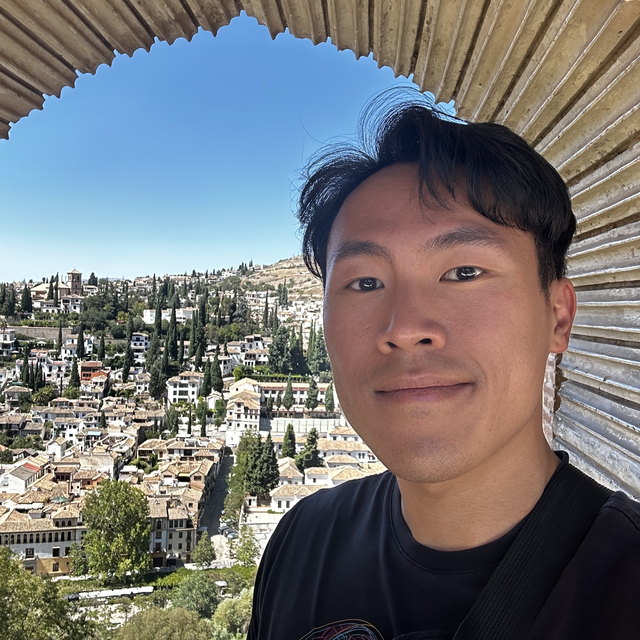
Hi, I'm Kevin Pham
Hardware engineering lead designing Block's racks of compute. Currently writing a series for GPU cluster infrastructure and electrical design for datacenters.
A brief timeline
- 2022 – Present
Staff Electrical Engineer at Block (parent of Square): Technical lead for all things compute: design for hyperscale air and liquid-cooled data centers, modular prefab compute, MV/LV power systems, design for LVRT and AI-driven LCL oscillations. 100+ MW deployed with a team across US, Canada, and APAC.
- 2026 – Present
Senior Advisor, AI Infrastructure at micro1: Reviews and sets up ECAD, MCAD and robotics AI training pipelines for frontier AI labs.
- 2019 – 2022
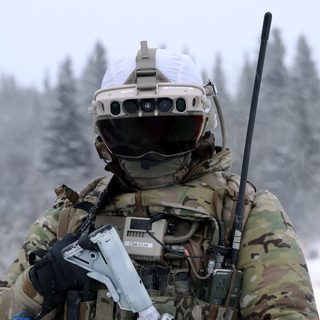
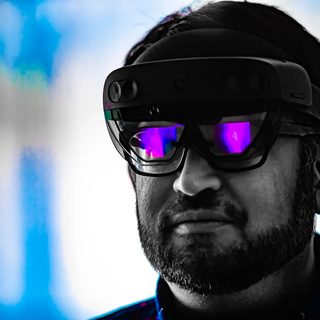
Lead Hardware Engineer at Microsoft: Led electrical design for Project IVAS, a US Army augmented reality headset, including the MLB, custom high-speed interconnect and its test.
- 2015 – 2019
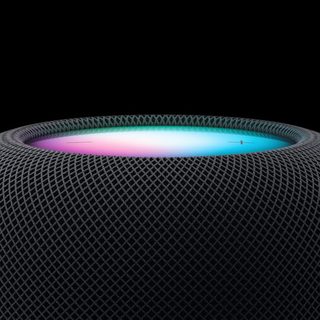
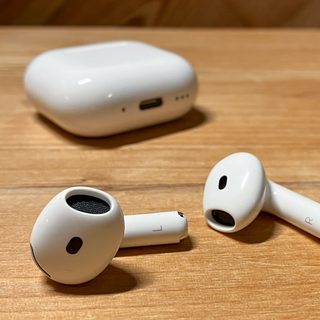
Senior System Integrator at Apple: Senior electrical engineer for system, capacitive-sense and optical design on AirPods (over 50M units) and HomePod (over 1M units).
- 2016 (part-time)
Masters in Electrical Engineering and Machine Learning at Stanford University: Completed part-time while working at Apple and Microsoft.
- 2012
Bachelors in Electrical and Computer Engineering at The University of Texas at Austin: Included 18 hours of graduate coursework in computer architecture and VLSI design.
- Electrical 6.14 Vendor diligence, energy-services terms and bridging power for an on-site plant Electrical
- Electrical 6.13 Power-system studies for a data center site: load flow, motor starting, transient stability and EMT Electrical
- Electrical 6.12 Microgrids for a data center: islanding, load shedding, black start and resynchronization Electrical
- Electrical 6.11 Generator and battery response to a training load: step loads, ride-through and grid-forming storage Electrical
Series
The homelab series starts with the basics: Slurm, Kubernetes, a platform layer, bare metal and GPU scheduling. Following it from Part 0 to Part 8 gives a surface understanding of hosting and running GPU servers. After the Kubernetes post, I branch into more advanced topics in a second series, the Advanced Kubernetes track: the control plane, networking, access, certificates and cluster lifecycle. For more advanced topics in datacenter electrical design, I branch after Part 6, at the rack power plan (6.1), and zoom out to the full chain, from the generators and the grid connection to the rack. Feel free to use the diagram above to navigate the posts. Every dot above is a link.